









Quick answer: A wood-fired hot tub usually takes a few hours to heat, not minutes. The exact time depends on how much water it holds, how cold that water starts, how dry your firewood is, how hard the stove is burning and whether the lid is on. Bigger tubs, cold winter water and damp wood all make it slower.
Why does a hot tub take so long to heat?
Water is hard to warm up. That is just how water works.
The USGS says it takes 4,184 joules of heat to warm one kilogram of water by 1°C. One litre of water weighs about one kilogram. So every litre in your tub needs that much energy for every single degree.
A hot tub holds well over a thousand litres. That adds up to a lot of heat. Your stove has to make all of it, one log at a time.
The good news? Water also holds on to heat well. Once your tub is hot, it cools down slowly, especially with the lid on.
How much heat does a hot tub actually need?
Let's do some simple maths with an example. These are not specs for any one tub. They just show how it works.
- Picture a round tub about 1,500 mm across with water 800 mm deep. That is roughly 1,400 litres. (A real tub holds a bit less, because of the stove, seats and wall thickness.)
- Say the water starts at 12°C and you want it at 38°C. That is a 26°C rise.
- 1,400 litres x 4,184 joules x 26°C works out to about 42 kWh of heat.
Now, how fast you get there depends on how much of the fire's heat ends up in the water:
- About 10 kW going into the water: roughly 4 hours
- About 20 kW going into the water: roughly 2 hours
- About 30 kW going into the water: roughly 1.5 hours
Real life is a little slower than the maths. Some heat goes up the chimney. Some escapes from the water's surface and the tub walls, especially on a cold, windy night.
What makes a wood-fired hot tub heat faster or slower?
Five things matter most:
- Water volume. More litres means more heat needed. A bigger tub takes longer, all else being equal.
- Starting temperature. Cold winter water needs more heat than summer water. In our example, every 1°C warmer at the start saves about 1.6 kWh.
- Firewood quality. Dry wood burns hot. Wet wood wastes its energy boiling off its own water.
- How you run the fire. A steady, well-fed fire beats a big blaze that dies down.
- The lid and the weather. An uncovered tub loses heat from its surface the whole time it is heating.
Does firewood really make a big difference?
Yes. It is probably the easiest thing you can change.
The Otago Regional Council says the best firewood has a moisture content of less than 25%. Freshly cut "green" wood can hold up to 100% moisture. When you burn it, most of its energy goes into drying the water out of it, not into heating your tub. Green wood also cools the fire and makes extra smoke.
A few easy tips from the same guide:
- Green wood takes anywhere from 6 months to over a year to season.
- Stack wood up off the ground in a dry spot.
- Leave small gaps between pieces so air can flow.
- Cover the stack to keep the rain off.
- Knock two pieces together. A dull "thunk" means the wood is still too damp.
How can I heat my hot tub faster?
Here is what we suggest to get in sooner:
- Keep the lid on while it heats. This stops heat escaping from the surface.
- Use dry, split wood. Smaller pieces catch quickly and burn evenly.
- Feed the fire little and often. Keep it burning steadily rather than letting it die down.
- Light it early. Plan for a few hours on a cold night, then relax.
- Stir the water now and then. Hot water rises, so a quick stir mixes the warm top with the cooler bottom and gives you a true reading.
- Check with a thermometer before you get in.
What temperature should a hot tub be?
Most people find somewhere in the high 30s comfortable.
SA Health suggests keeping spa water between 35°C and 37°C, and says it should not go over 40°C. HealthLink BC also says never hotter than 40°C, or 38.9°C if you are pregnant. It suggests keeping sessions short and getting out straight away if you feel dizzy or faint.
A few simple safety notes:
- Keep small children out of hot water, as they overheat more easily.
- Skip alcohol before or during a soak.
- If you have a health condition, are pregnant or take medication, please check with your GP first.
Wood-only or wood plus electric: which heats better?
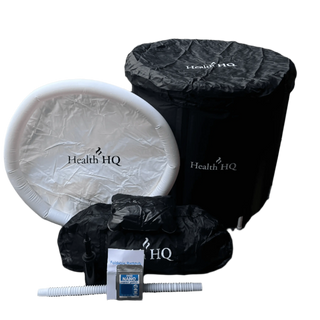
Our Tasman and Tide are wood-only. The Tasman has a stainless steel liner. The Tide is a full timber build with no metal liner, at a taller 1200 mm height. Both are heated by their built-in wood stove.
The Torrent adds a 3 kW electric element and a smart touch control panel. Here is the thing to know: 3 kW is great for holding a steady temperature, but it is slow for the first big heat-up. In our 1,400-litre example, 3 kW adds roughly 1°C every half hour. So most people light the fire to get hot, then let the element keep it there.
The Torrent is hard-wired, so a registered electrician must do the connection on site.
Key takeaways
- Plan on a few hours, not minutes, to heat a wood-fired hot tub.
- Water takes a lot of energy to warm: about 4,184 joules per litre for each 1°C.
- Dry firewood under 25% moisture heats faster and makes less smoke.
- Keep the lid on while heating and feed the fire little and often.
- Aim for the high 30s and never above 40°C.
Frequently asked questions
How long does a wood-fired hot tub take to heat up?
Usually a few hours. The time depends on water volume, starting water temperature, how dry the wood is, how hard the fire burns and whether the lid is on.
Can I heat a wood-fired hot tub faster?
Yes. Keep the lid on, burn dry split wood, feed the fire little and often, and stir the water now and then so the heat spreads evenly.
What is the best wood for a wood-fired hot tub?
Dry, well-seasoned wood with a moisture content under 25%. Wet or green wood wastes energy, cools the fire and makes extra smoke.
What temperature should a hot tub be?
Many people enjoy around 35°C to 37°C. Health guidance says never go above 40°C, and keep it lower if you are pregnant.
Does an electric element heat a hot tub quickly?
A small element, like the 3 kW one in the Torrent, is best for holding a steady temperature. The wood fire does the main heat-up much faster.
Thinking about a wood-fired hot tub for your place? Have a look at the Torrent, Tasman and Tide. We are always happy to help you find the right size. Call us on 03 662 9381 or email info@healthhq.co.nz.
Sources: USGS Water Science School: Specific heat capacity and water; Otago Regional Council: Better firewood for your home; SA Health: Spa pools, maintaining your spa at home; HealthLink BC: Residential hot tubs and pools, health and safety tips.

